Cupping vs Dry Needling: What's the Difference and Which Is Right for You?
Both techniques relieve muscle pain, but they work differently. Here's how to understand which may suit your problem.
By Dr. Anjali Gupta (PT) · · Updated
Cupping and dry needling have become popular for muscle pain and sports recovery. Both can release tight, painful muscles, but they work in different ways. Dr. Anjali Gupta (PT) at MuvAgain is certified in both, so here is a simple comparison.
In short: cupping treats broader areas of tight muscle, while dry needling targets specific deep knots. Many patients do best with a combination, always alongside exercise.
How they work
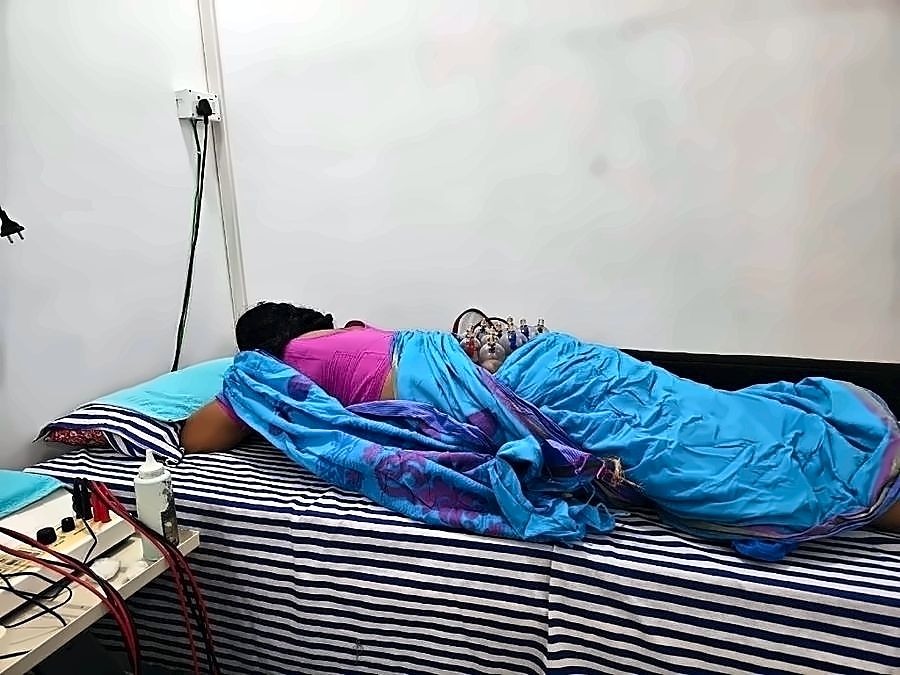
Cupping uses suction cups to lift and decompress the skin and the muscles beneath. This improves local blood flow and relaxes tight tissue over a broader area.
Dry needling uses a very fine, sterile needle inserted directly into a trigger point (a tight knot) in the muscle. This often produces a brief twitch that releases the knot.
Quick comparison
| Cupping | Dry needling | |
|---|---|---|
| Target | Broader areas of tight tissue | Specific deep trigger points |
| Feels like | Pulling, tight suction | A quick prick and a brief twitch or ache |
| After-effects | Circular marks for a few days | Mild soreness for 1–2 days |
| Commonly used for | Back and neck stiffness, muscle tightness | Stubborn knots, neck and shoulder pain, sports injuries |
Which is right for you?
It depends on:
- Your condition and how deep the problem is
- Your comfort with needles: cupping is a good option if you are nervous about needles
- Your medical history (see below)
Often the two are combined in one session, and both work best when followed by stretching and strengthening exercises.
What to expect after a session
- Drink water and keep moving gently the same day.
- Cupping marks are expected and usually fade within a few days.
- Mild soreness after dry needling usually settles within 1–2 days. A warm shower helps.
Who should be careful?
Tell your physiotherapist before treatment if you:
- are pregnant
- take blood thinners or have a bleeding disorder
- have diabetes with skin problems, or any skin infection over the area
Learn more about cupping therapy and dry needling therapy at MuvAgain, or book an assessment and we'll recommend the right option for you.
Both treatments are given only after an assessment, and only when they suit your condition.