Desk Job Neck & Back Pain? 10 Posture Tips for Office Workers and Students
Small changes to your chair, screen and habits can make a big difference to neck and back pain from long hours of sitting.
By Dr. Anjali Gupta (PT) · · Updated
Long hours at a laptop, preparing for competitive exams or scrolling on the phone all put steady strain on your neck and back. The good news: a few simple changes go a long way, and most of them cost nothing.
Your best posture is your next posture. No position is perfect for hours. Changing position often matters more than sitting "perfectly straight".
Set up your workstation
- Screen at eye level: the top of the screen should be roughly at eye level. Raise a laptop on a stand or a few books and use a separate keyboard.
- Feet flat, knees at hip level: use a footrest if your feet don't reach the floor.
- Support your lower back: a small cushion or rolled towel behind your lower back keeps its natural curve.
- Elbows by your side: keep the keyboard close so your shoulders stay relaxed.
Build better habits
- Follow the 30-minute rule: stand up, stretch or walk for a minute every 30 minutes.
- Hold the phone higher: bring the phone up towards eye level instead of bending your head down.
- Chin tucks: gently draw your chin back (making a "double chin") and hold 5 seconds. 10 times, several times a day.
- Shoulder-blade squeezes: squeeze your shoulder blades together and down. Hold 5 seconds, 10 times.
- Sleep well: use a pillow that keeps your neck in line with your spine.
- Stay active: regular walking and strengthening exercise make your body more resilient to long sitting.
Your day at a glance
| When | What to do |
|---|---|
| Every 30 minutes | Stand up, walk or stretch for 1 minute |
| Every 1–2 hours | 10 chin tucks and 10 shoulder-blade squeezes |
| Evening | A 20–30 minute walk |
| Bedtime | A pillow that keeps your neck in line with your spine |
Common mistakes to avoid
- Working from the bed or sofa with the laptop on your lap: your head drops forward for hours.
- Pushing through a headache from the back of the neck instead of taking a break.
- Buying an expensive chair but never getting up from it.
When posture pain needs treatment
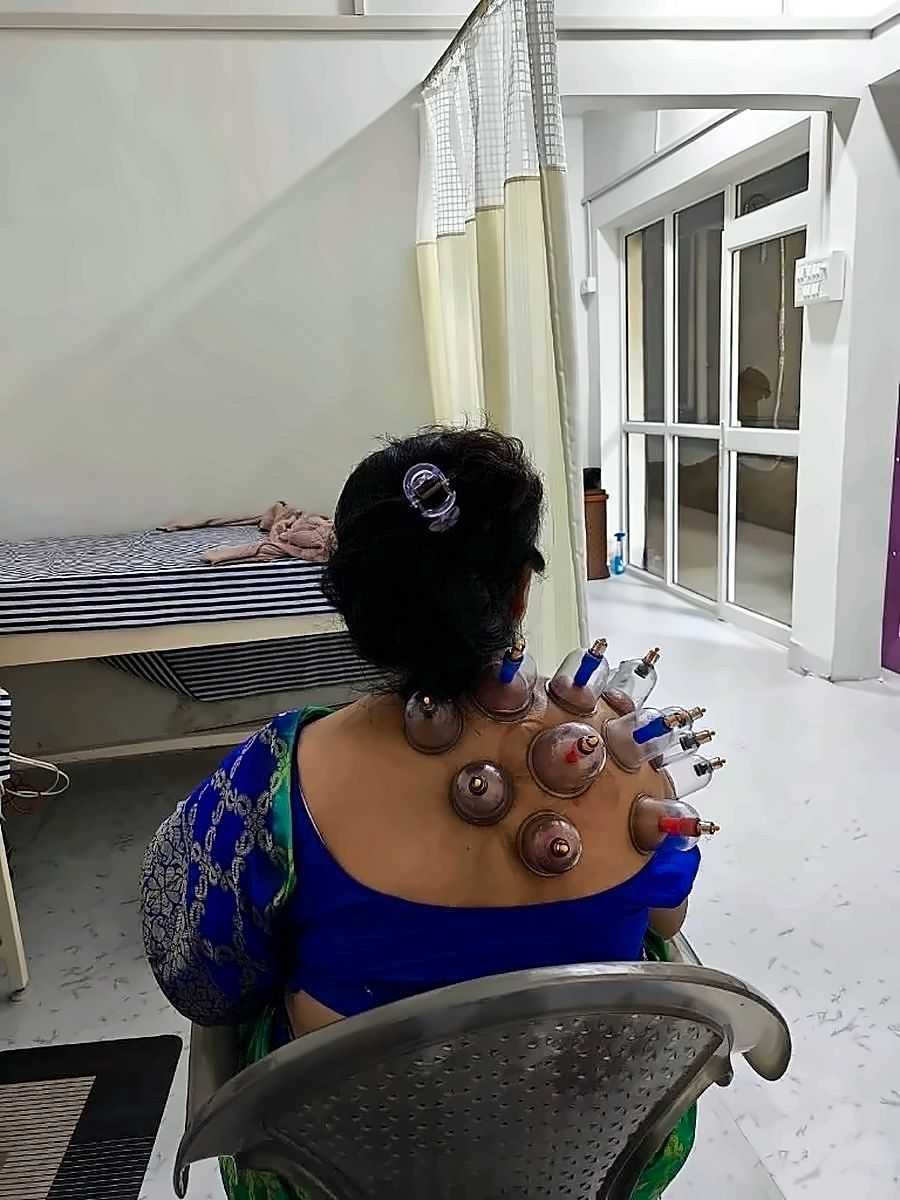
If pain continues despite these changes, causes headaches or travels into your arms, see a physiotherapist. At MuvAgain we analyse your posture, release tight muscles with manual therapy, cupping or dry needling, and design a corrective exercise programme. Read about our posture correction and neck pain treatment in Patna, or book your appointment online.
Tingling, numbness or weakness in the arms can be a sign of nerve irritation. Don't ignore it; get it checked.