Cervical Spondylosis Exercises at Home: 6 Safe Neck Moves and What to Avoid
Stiff neck, shoulder-blade ache or laptop strain? Six safe cervical spondylosis exercises you can do at home, plus the fast neck circles you should skip.
By Dr. Anjali Gupta (PT) · · Updated
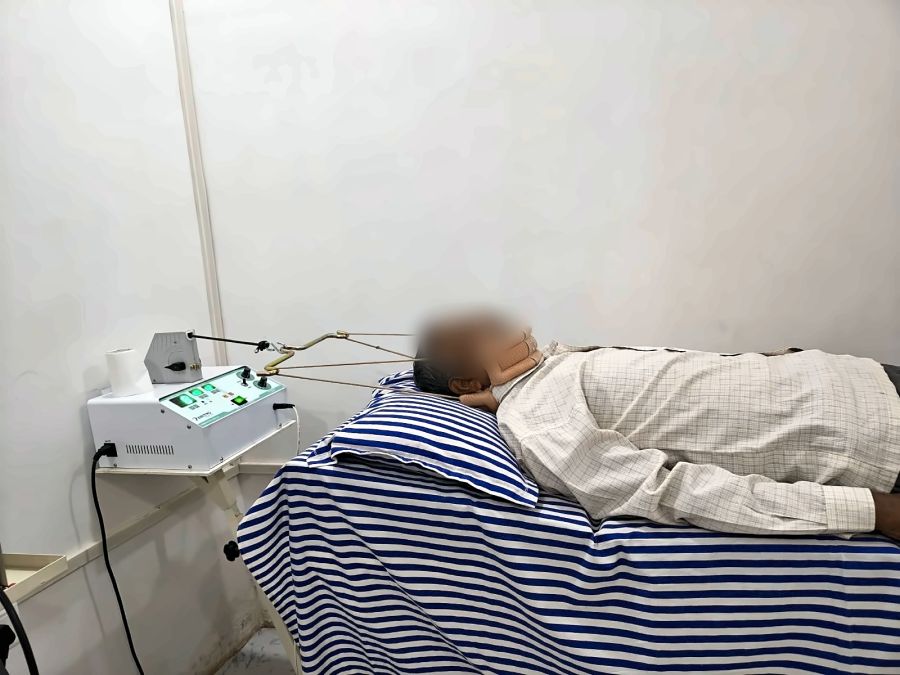
Cervical spondylosis simply means age-related and posture-related wear in the joints and discs of the neck. Long phone scrolling, low laptop screens and tense shoulders make it flare up even in people in their twenties and thirties. The right gentle exercises ease stiffness and build the deep muscles that hold your head up without strain.
Stop and get checked first if neck pain comes with dizziness when looking up, clumsiness in your hands, unsteady walking, or spreading numbness and weakness down an arm.
6 safe exercises for cervical pain
Sit tall on a firm chair with your feet flat on the floor and shoulders relaxed down away from your ears.
- Chin tucks: look straight ahead and gently glide your chin straight back (making a small double chin) without tilting your nose up or down. Hold 5 seconds, relax. Repeat 10 times.
- Slow neck rotation: slowly turn your head to look over your right shoulder until a mild stretch begins. Hold 5 seconds, return to the centre, then turn left. 6 times each side.
- Upper trapezius stretch: sit on your right hand to anchor the shoulder, then tilt your left ear gently towards your left shoulder. Hold 20 seconds. 3 times each side.
- Shoulder-blade squeezes: draw both shoulder blades gently back and slightly down, as if tucking them into back pockets. Hold 5 seconds. 10 times.
- Isometric side press: place your palm against the side of your head and press gently (about 20% effort) without letting the head move. Hold 5 seconds each side, 5 times.
- Chest doorway stretch: rest your forearms on a doorframe at shoulder height and step one foot through gently until your chest opens. Hold 20 seconds. Tight chest muscles pull the head forward.

Movements to avoid during a cervical flare
| Avoid | Do instead |
|---|---|
| Fast, full-circle neck rolling | Slow left-right turns and chin tucks in a comfortable range |
| Dropping the head far backwards to stare at the ceiling | Keep upward looking small if it pinches the neck or causes tingling |
| Carrying a heavy bag on one shoulder | Use a light backpack on both shoulders |
| Wearing a soft cervical collar all day for weeks | Use a collar only briefly if prescribed, while strengthening the neck |
Also check how you sleep at night: read our guide to choosing the best pillow and sleeping position for neck pain.
When home exercises are not enough
If stiffness keeps returning every evening, triggers headaches from the base of the skull or sends pins and needles towards your thumb or fingers, hands-on assessment helps. At MuvAgain on Ashiyana Digha Road, Dr. Anjali Gupta (PT) checks neck joint mobility and arm nerves, then combines manual mobilisation, certified dry needling or cupping, and mechanical cervical traction (when appropriate) with deep-neck strengthening. Learn more about our neck pain and cervical spondylosis treatment in Patna or book an appointment.
Two short 5-minute exercise breaks during your work or study day beat one hard session at night.